Coastlines & Coastal Environments
Heavy accumulations can cover beaches, affect coastal habitats and require repeated removal and management.
The Challenge
Sargassum influx, landfill pressure, and a broader waste challenge facing the islands.
The Challenge
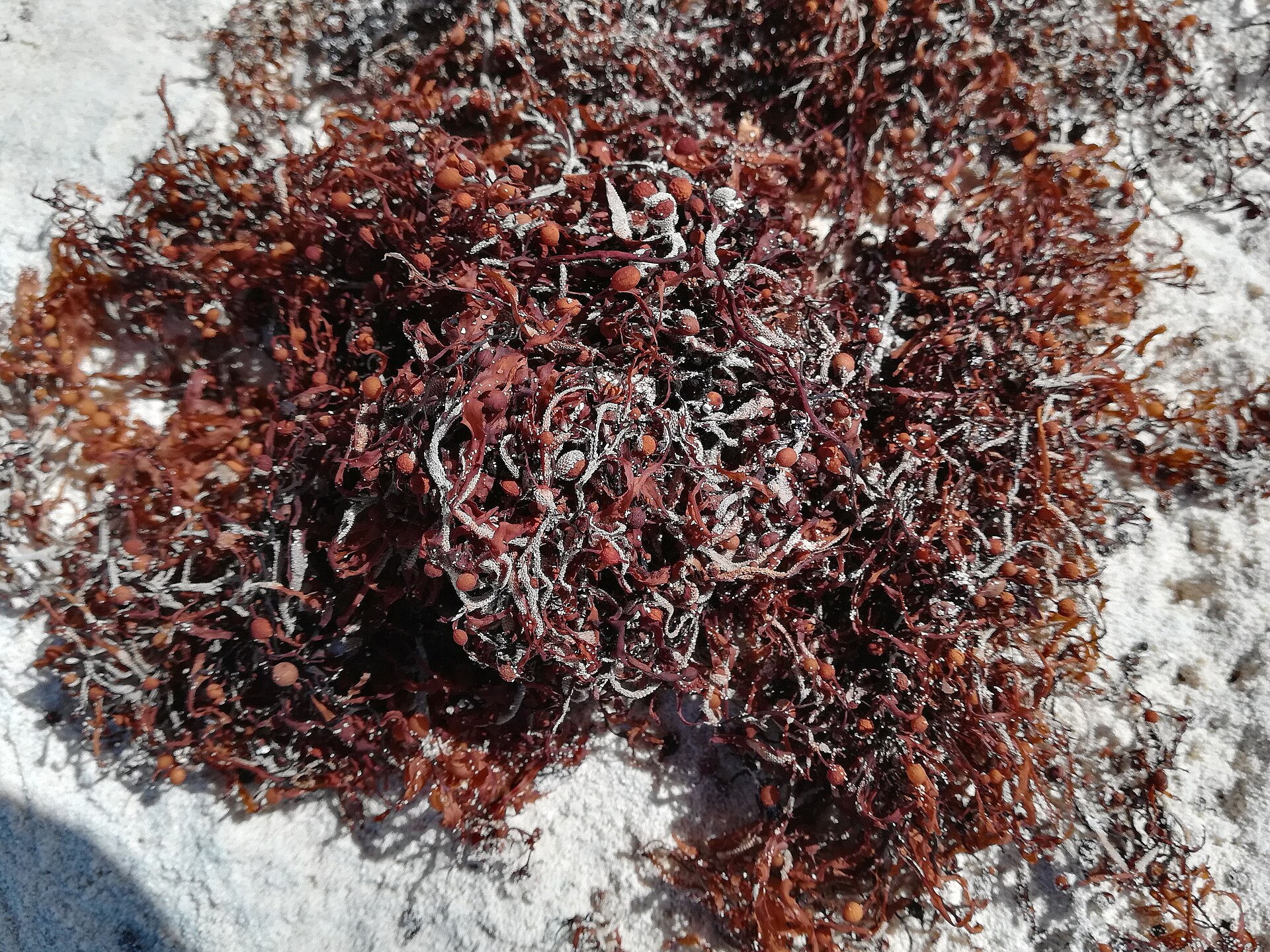
Since 2011, Antigua and Barbuda, like much of the Caribbean, has experienced recurring large-scale influxes of sargassum.
At sea, sargassum plays a natural and important role in marine ecosystems. However, when excessive quantities accumulate and decompose along shorelines, they can create significant environmental, economic and public-health challenges.
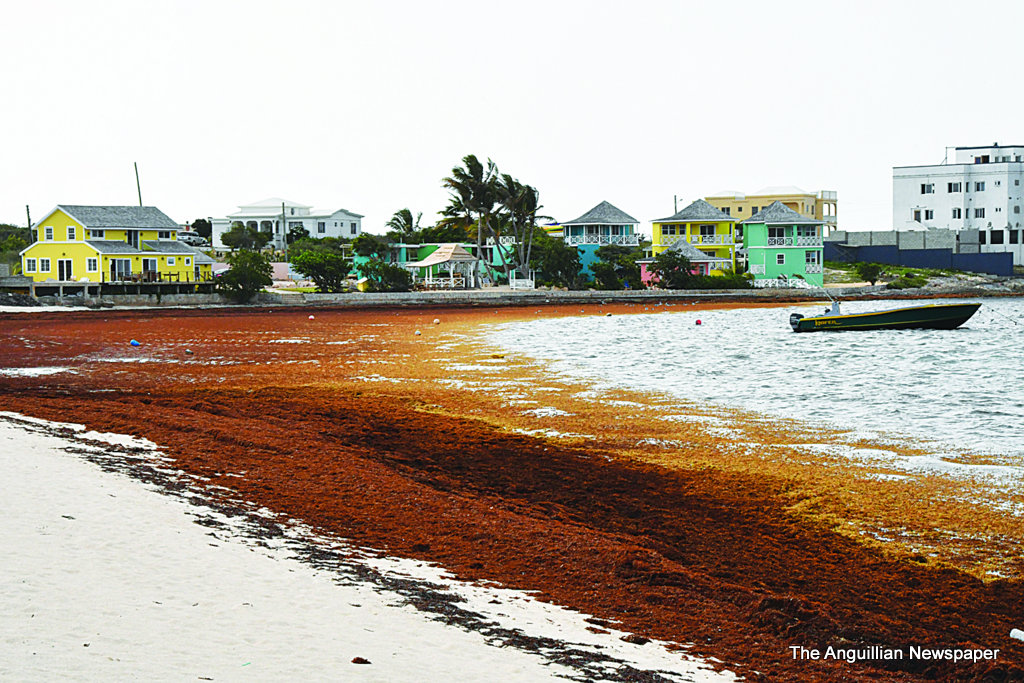
Heavy accumulations can cover beaches, affect coastal habitats and require repeated removal and management.
Sargassum can affect beach access, visitor experiences, recreational activities and businesses that depend on clean and accessible coastlines.
Large influxes can disrupt nearshore ecosystems, affect water quality and interfere with fishing activity and access.
As accumulated sargassum decomposes, it can release gases and unpleasant odours that may create health and quality-of-life concerns for nearby communities.
Collection, transportation and disposal require equipment, labour, land and financial resources, often repeatedly throughout periods of heavy influx.
Caribbean Case Study
Saint-Barthélemy offers a nearby example of the scale of the sargassum challenge. After unprecedented strandings in 2025, the territory reported more than €3 million in collection spending, while broader sargassum-management costs of €7.5 million were cited. By the end of March 2026, more than 3,530 tonnes had already been collected from beaches.
The response has also drawn in the local fishing sector. Through a €120,000 partnership with the territorial authority, fishing crews have participated in anti-sargassum operations. Between 20 April and early May 2026, crews conducted six interventions; during one 13-hour operation they filled approximately nine to ten containers holding about 2.5 tonnes each.
The experience highlights the need for coordinated approaches that move beyond repeated collection, storage and disposal toward responsible long-term solutions.
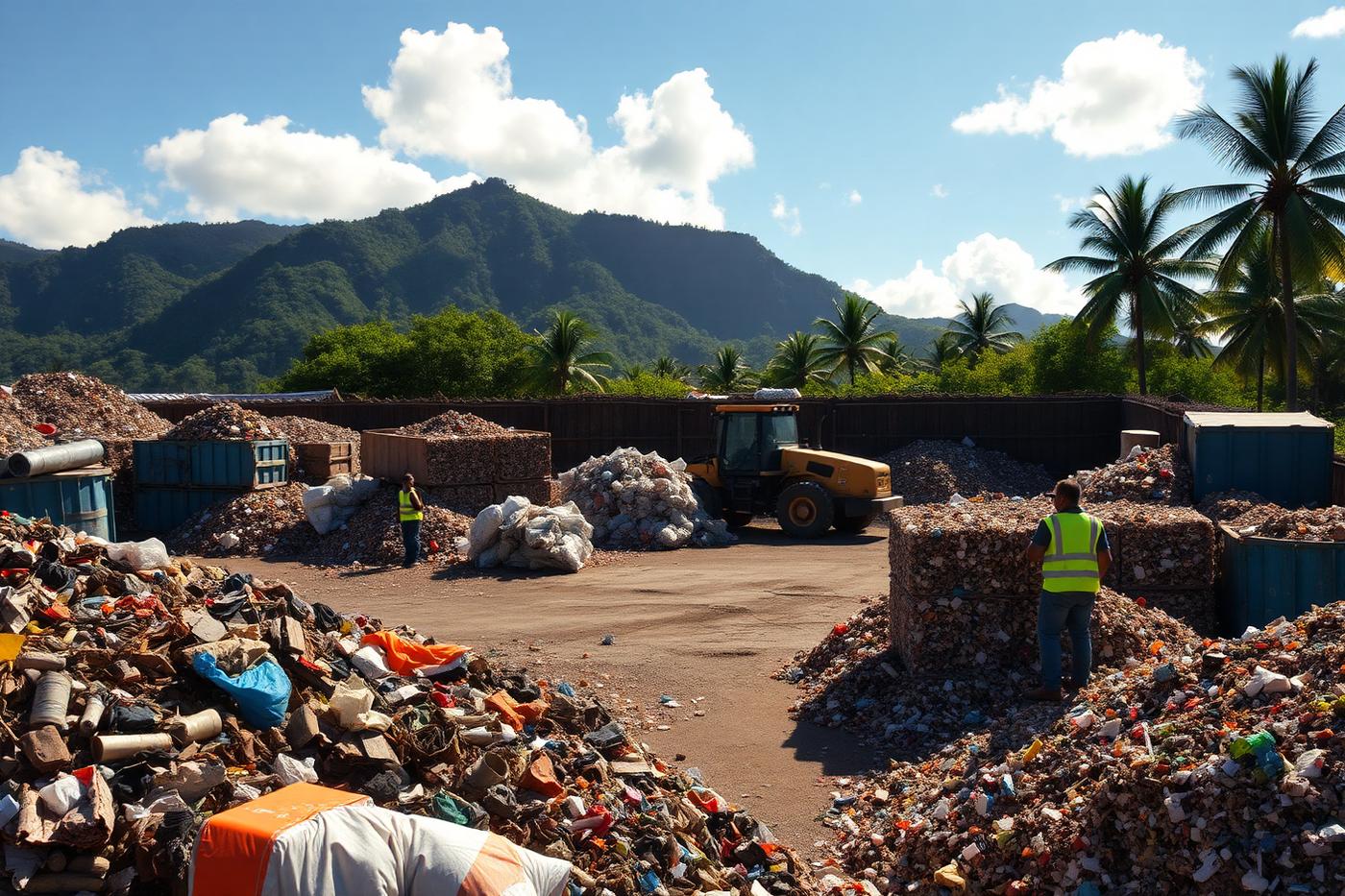
Sargassum is only one part of a broader waste-management challenge.
Like many small island states, Antigua and Barbuda must manage different waste streams within a limited land area while protecting communities, coastlines and the wider environment. These include:
As waste streams grow and diversify, reducing the volume requiring final disposal can support more sustainable long-term waste management, preserve valuable land and create opportunities for greater resource recovery.
This creates an opportunity to look beyond traditional disposal and explore responsible ways to reduce waste, recover resources, repurpose materials and convert suitable waste streams into useful outputs.